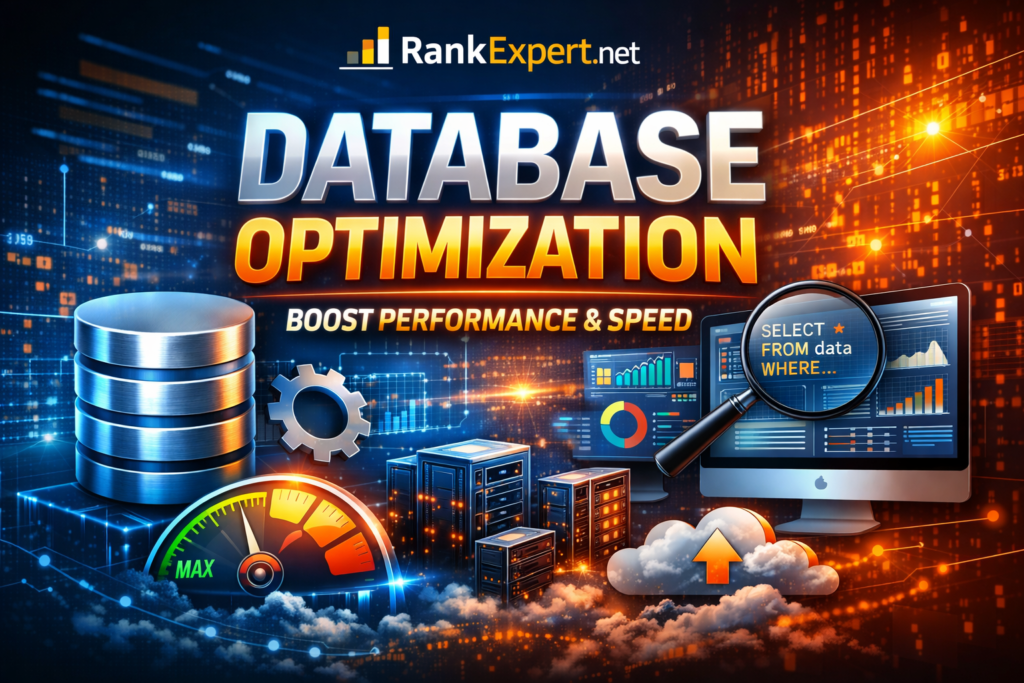
Database Optimization
Database optimization is a critical process for improving the speed, efficiency, and reliability of your data systems. Whether you’re running a small business website or a large-scale application, optimized databases ensure faster query responses, reduced costs, and a better user experience.
In this guide, we’ll explore database performance optimization, tools, strategies, and best practices to help you stay competitive in today’s data-driven world.
What is Database Optimization?
Database optimization refers to the techniques used to improve the performance, efficiency, and scalability of a database system. It involves analyzing queries, indexing data, managing storage, and applying smart configurations.
The goal is simple: retrieve and process data faster while using fewer resources.\
Why Database Optimization Matters
- Faster application performance
- Reduced infrastructure costs
- Improved scalability
- Better data reliability and consistency
- Enhanced user experience
Poorly optimized databases can slow down your entire system, affecting both SEO rankings and user retention.
Key Techniques for Database Performance Optimization
1. Indexing Optimization
Indexes help databases locate data quickly without scanning entire tables.
Best practices:
- Use indexes on frequently queried columns
- Avoid over-indexing (it slows down writes)
- Regularly rebuild and maintain indexes
2. Query Optimization
Efficient queries are the backbone of database performance optimization.
Tips:
- Avoid
SELECT *and fetch only required columns - Use joins efficiently
- Eliminate redundant queries
- Analyze execution plans
3. Data Normalization and Denormalization
- Normalization reduces redundancy
- Denormalization improves read performance
Balance both based on your application needs.
4. Caching Strategy & Data Frequency Usage Metrics
A strong caching strategy data frequency usage metrics database optimization approach can dramatically reduce load times.
How it works:
- Frequently accessed data is stored in cache
- Reduces repeated database queries
Types of caching:
- Query caching
- Object caching
- Distributed caching (e.g., Redis)
Use data frequency metrics to:
- Identify high-demand queries
- Cache only frequently accessed data
- Optimize storage usage
5. Database Partitioning
Partitioning splits large tables into smaller, manageable parts.
Benefits:
- Faster query execution
- Improved maintenance
- Better scalability
6. Connection Pooling
Instead of creating a new connection for every request, connection pooling reuses existing ones.
Advantages:
- Reduces latency
- Improves throughput
- Saves server resources
Best Database Optimization Tools
Using the right database optimization tools can automate performance tuning and monitoring.
Popular Tools:
- Query analyzers
- Performance monitoring dashboards
- Index optimization tools
- Database profiling tools
These tools help identify bottlenecks and provide actionable insights for improvement.
Database Optimization Services
If managing optimization internally is challenging, consider professional database optimization services.
What they offer:
- Performance audits
- Query tuning
- Infrastructure scaling
- Security improvements
- Ongoing monitoring
Outsourcing ensures your database runs efficiently without requiring in-house expertise.
Advanced Optimization Strategies
1. Load Balancing
Distribute database traffic across multiple servers to prevent overload.
2. Sharding
Split databases across multiple machines for horizontal scaling.
3. Automated Backups
Ensure data safety while maintaining performance.
4. Hardware Optimization
- Use SSD storage
- Increase RAM
- Optimize CPU usage
Common Database Optimization Mistakes
- Ignoring slow queries
- Overusing indexes
- Lack of monitoring
- Poor schema design
- Not using caching effectively
Avoiding these mistakes can significantly improve performance.
Future Trends in Database Optimization
- AI-driven query optimization
- Cloud-native databases
- Real-time analytics optimization
- Automated performance tuning
Staying updated with these trends will give your business a competitive edge.
FAQs About Database Optimization
1. What is database performance optimization?
Database performance optimization is the process of improving query speed, reducing latency, and enhancing overall database efficiency.
2. Which are the best database optimization tools?
Popular tools include query analyzers, monitoring systems, and indexing tools that help identify and fix performance issues.
3. How does caching improve database performance?
Caching stores frequently accessed data, reducing the need to query the database repeatedly, which speeds up response times.
4. What are database optimization services?
These are professional services that analyze, tune, and maintain databases to ensure optimal performance and scalability.
5. How often should I optimize my database?
Regular optimization is recommended—monthly for small systems and continuously for large-scale applications.
6. What role do data frequency usage metrics play?
They help identify which data is accessed most often, allowing you to optimize caching and queries effectively.
Conclusion
Database optimization is no longer optional—it’s essential for delivering high-performance applications. By using the right database optimization tools, implementing smart caching strategies, and leveraging database optimization services, you can ensure your system runs efficiently and scales with ease.
Focus on continuous monitoring, regular updates, and performance tuning to stay ahead in the competitive digital landscape.
FOR MORE INFORMATION VISIT OUR HOMEPAGE: